
A debt list can make you feel stuck. The totals appear overwhelming. The debt snowball method alters your perspective. It moves your attention from the entire amount to the smallest balance.
Now imagine turning that single balance into a mission you can complete. Several new tools use ideas from game design for money management. They offer a clear plan, show your results, and provide small rewards.
These elements help you keep going even when your first excitement wears off.
Finelo: The Finance Coach in Your Pocket
Finelo.com helps before you sort your debts. It concentrates on improving your money knowledge with short, interactive classes. The platform does not monitor your individual debts. Instead, it explains the fundamental ideas of the debt snowball method. You move through basic personal finance courses.
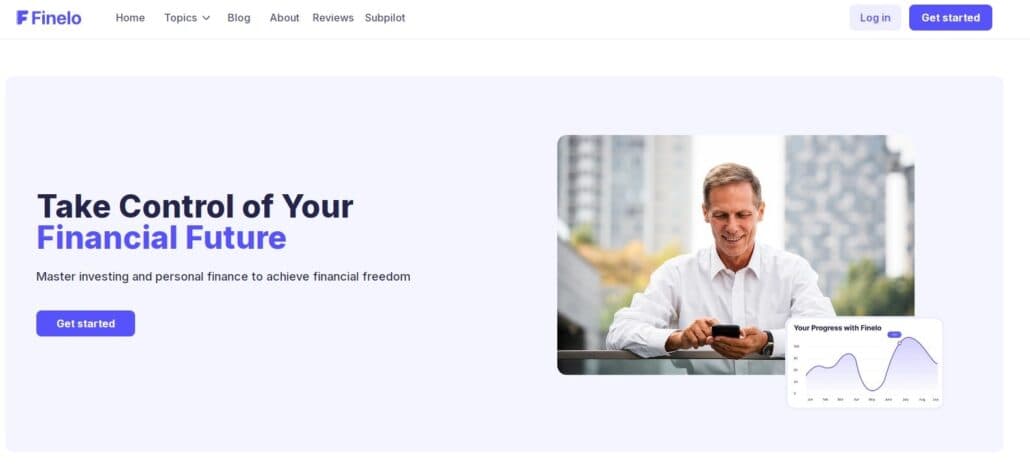
Each concept is split into straightforward steps. Quizzes and progress bars help cement what you learn. This turns studying into a sequence of minor victories. It creates the basic self-assurance required to face your bills and create a strategy.
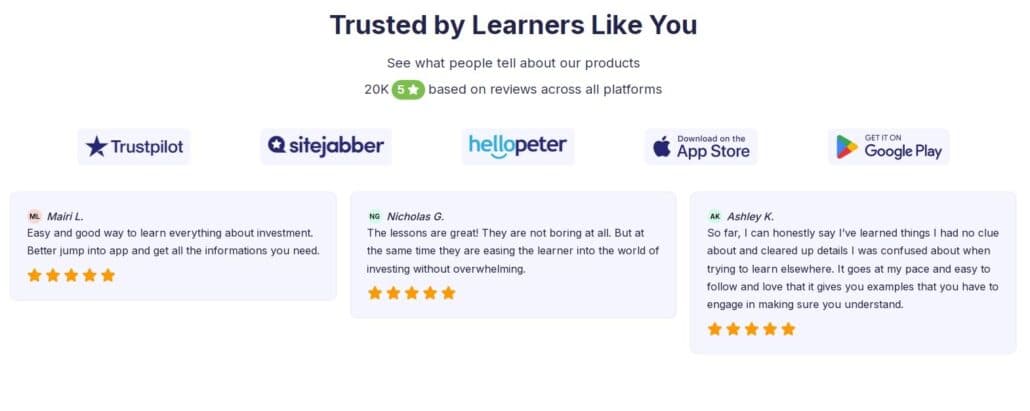
Why it fits this list: Finelo gamifies the education phase. It provides the “why” and “how” in an engaging format, preparing you to use other tools effectively. You build the right money habits from the ground up.
Habitica: Turn Your Debt into a Monster to Slay
Habitica operates from a completely different position. It functions as a productivity tool shaped like an old-school role-playing game. Your whole life, plus your money duties, forms the playing field. You design a character and add tasks such as “Add $50 to Card A” or “Follow the food budget.”
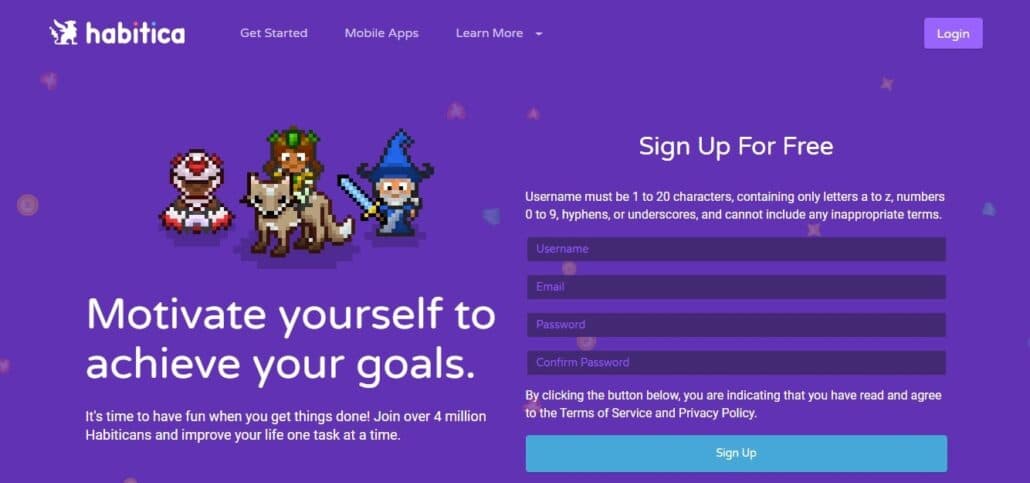
Finishing these jobs gives your character points, currency, and better gear. You may also name your debts as “Boss Monsters” and hit them with payments. This links the vague idea of lowering debt to the direct, visible payoff of a stronger character.
Why it fits this list: Habitica masterfully uses RPG mechanics. It connects daily financial discipline to in-game advancement, making the act of paying down debt feel like a tangible victory in a world you control.
Debt Payoff Planner: Your Visual Progress Command Center
This tool is built for a single purpose: showing you the light at the end of the tunnel. Debt Payoff Planner lets you input all your debts and choose the snowball method. It then generates a complete payoff timeline and, most importantly, dynamic progress charts. You watch colored bars representing your debts shrink with every entry.
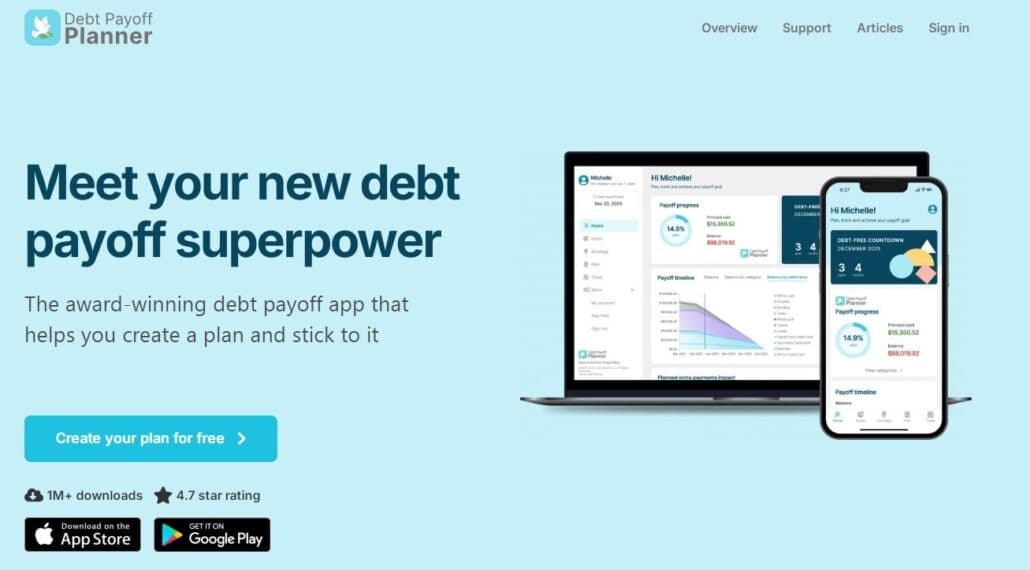
The app shows you exactly how much time and money each extra payment saves you. This direct visual feedback is a powerful motivator. Seeing that chart update provides a clear, satisfying signal that your efforts are working.
Why it fits this list: Its gamification is all about visualization and clarity. The progress bars and updated payoff dates turn the slow crawl of debt repayment into a visible, winnable race against your past financial self.
Undebt.it: The Spreadsheet That Feels Like a Win
For those who love data and customization, Undebt.it offers a web-based experience that is both powerful and motivating. It creates a detailed, flexible debt snowball plan for you. Its standout feature is the “Debt Snowflake” tracker, which lets you record small, unexpected extra payments, like a tax refund or money from a side job.
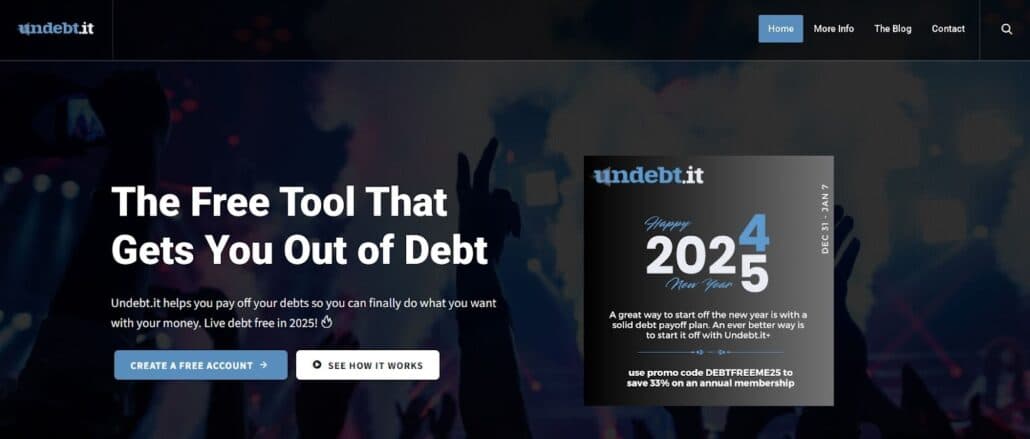
Tracking these “snowflakes” becomes a mini-game in itself, encouraging you to find spare cash to accelerate your plan. The interface provides countless stats and charts, feeding your brain the positive data it craves when you make a smart financial move.
Its place on this list: Undebt.it converts information into a prize. Putting in your new numbers and seeing the figures shift gives you a feeling of command and success. This makes the number-crunching deeply pleasing.
Pushing Your Debt Snowball Further
Listing your debts correctly is your starting point. You can add other methods to the main snowball plan to speed things up. These techniques help you locate additional cash and preserve the mental drive that powers the snowball.
Using “Debt Snowflakes”
A strong partner for the debt snowball is the “debt snowflakes” idea. You gather tiny, surprise, or conserved sums during your day. You then put this money toward your smallest balance as a bonus payment. It works like adding more snowflakes to build a bigger snowball.
Making it work: Pass on a small treat like a cafe coffee. Use a discount on food shopping. Make a few dollars from a quick job. Send that cash straight to your debt. These tiny payments may look unimportant alone. Together, they steadily reduce your total without changing your core budget.
Building Your Financial Momentum
The snowball method is powerful because it directly targets the psychology of debt repayment. Personal finance is often more about behavior than pure math. The strategy is designed to create a series of successful “wins” by eliminating individual debts from your list. Wiping out a balance gives you a jolt of energy and solid evidence that your plan functions. This good feedback is essential for keeping the consistency required for bigger debts ahead.
Your attention must then move to defending your gains. The single most important rule after you start is to avoid taking on new debt. Continuing to use credit cards for wants instead of needs is like trying to fill a bucket with a hole in the bottom. Simultaneously, tracking your spending meticulously ensures you stay within your budget and can consistently find that extra money to keep your snowball rolling.
Wrapping Up
Clearing your final debt balance does more than zero out an account. It marks a shift in your daily routine. The mental energy you once spent worrying over payments and due dates is suddenly freed up. That space can now hold different plans: for savings, for investments, for a life less dictated by past decisions.
The value of the debt snowball method lies in this tangible rewrite of your habits. Each small debt you erase serves as concrete proof that your actions matter. This string of successes builds a new kind of confidence, one that isn’t shaken by a large balance or a tight month. You learn to trust your capacity to follow through.
This process focuses on building a system aligned with how you think and act. The structure supports your natural psychology instead of fighting against it. The momentum you build doesn’t vanish when the last payment clears. It carries forward, becoming the discipline you use to build what comes next. Your financial life after debt begins with that very first small win.